


Summer Weight Loss Without Missing the Fun: A Nutritionist’s Guide to Staying on Track
There is something about summer that changes our rhythm. The evenings stretch out, holidays suddenly appear in the diary, invitations to BBQs become more frequent, and somehow life feels a little less structured. For many people, this feels liberating, but it can also quietly unravel healthy habits without us even noticing. One week we are eating balanced meals and feeling in control, and the next we are surviving on pastries from holiday buffets, picky teas in the garden and the promise that we will “be good again on Monday”.
As a nutritionist, I see this every year. People often assume winter is the season that sabotages healthy eating because we naturally crave comfort foods, but summer brings its own challenges. Routines shift, meals become more spontaneous, sleep is often disrupted by heat or later nights, and social occasions suddenly revolve around food and drink. It becomes very easy to fall into the trap of believing that enjoying summer and looking after your health sit at opposite ends of the spectrum, when actually they can work beautifully together.
We lose the need for big meals but replace them with lots of snacks, which makes it much harder to monitor our intake or our protein goals. Summer eating itself can also quietly become less balanced without us realising. It is rarely intentional. Holidays often mean pastries at breakfast, lunches grabbed on the go, crisps shared in the garden, lighter evening meals and perhaps the odd ice cream or cocktail creeping in. There is nothing inherently wrong with any of these foods and summer should absolutely be enjoyed, but what often happens is that protein quietly disappears from the plate.
This matters more than many people realise because protein plays such an important role in appetite regulation, blood sugar balance and preserving muscle mass during weight loss. Many classic summer foods are relatively low in protein and easy to overeat because they simply do not keep us satisfied for very long. A pastry breakfast may feel lovely in the moment, but by mid-morning hunger often returns with interest. Compare that to eggs, Greek yoghurt or smoked salmon, which tend to keep energy and appetite far steadier.
Rather than approaching summer with restriction or guilt, I often encourage people to think in terms of foundations. You do not need to refuse dessert, skip the BBQ or avoid the occasional holiday treat. Instead, try anchoring meals around protein and building from there. If you are heading to a barbecue, enjoy the grilled chicken, burger or salmon and fill the rest of the plate with colourful salads and vegetables. If breakfast is a buffet, perhaps begin with yoghurt, eggs or smoked fish before deciding if you still fancy the pastry. These small shifts rarely feel restrictive but often leave people feeling far better.
Holidays are another area where mindset matters enormously. Somewhere along the line many of us absorbed the belief that time away means abandoning all healthy habits completely, only to restart life feeling sluggish and disappointed. In reality, holidays do not derail progress nearly as much as the “all or nothing” mentality surrounding them. Enjoying local food, long dinners and treats is part of life and should not come wrapped in guilt. The difference is often in keeping a few gentle anchors in place, whether that means staying hydrated, eating enough protein, walking regularly or simply avoiding the habit of grazing all day because food is available.
Importance of Hydration
One of the biggest things people underestimate during warmer weather is hydration. Most of us associate dehydration with feeling thirsty, but in reality, it can show up in much subtler ways. Fatigue, headaches, sluggishness, constipation, cramps, restless legs, brain fog, dizziness and even stronger cravings can all be signs that your body is running low on fluids. What surprises many people is that thirst and hunger can feel remarkably similar. If you find yourself endlessly rummaging through the kitchen for “something”, particularly in the afternoon, there is a fair chance your body may be asking for water rather than food.
Hot weather naturally means we sweat more, even if we are not doing anything particularly energetic. Alongside fluid loss, we also lose important minerals known as electrolytes, which help regulate hydration, muscle function, blood pressure and energy levels. This becomes even more relevant if you are eating a lower-carbohydrate diet, exercising more, or using weight-loss medication, as all of these can increase fluid shifts in the body. Sometimes, the afternoon slump, headache, or unexplained tiredness people experience in hot weather has less to do with food and more to do with poor hydration and mineral depletion.
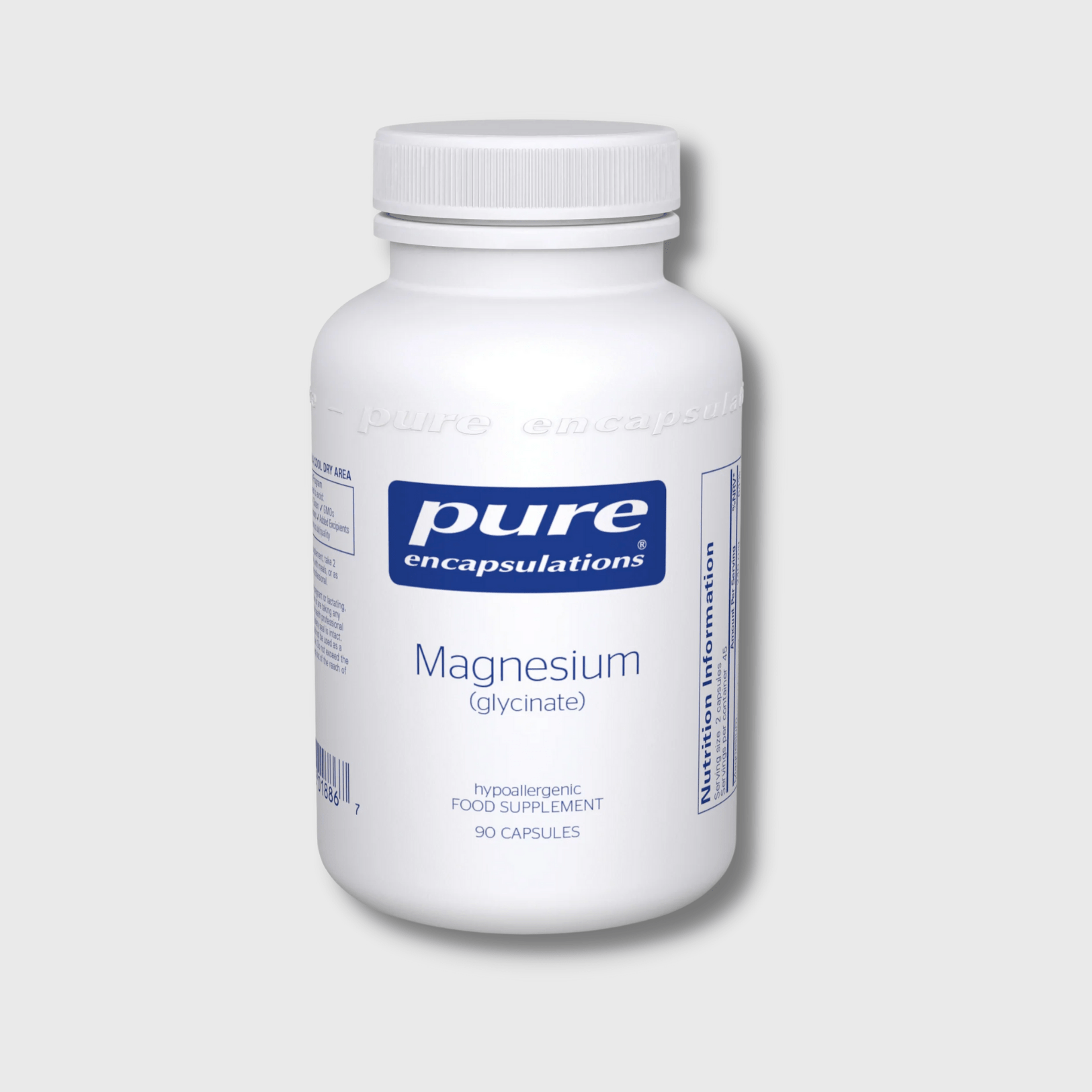
If you do decide to use an electrolyte supplement, it is worth becoming a little label savvy, as not all products are created equal. Many supermarket sports drinks and hydration sachets are surprisingly high in sugar or contain artificial colours, sweeteners and flavourings that may not suit everyone, particularly if blood sugar balance or gut health is a focus. Quality matters too. Better formulations tend to provide minerals in more usable forms, such as citrate, glycinate or malate, which are often gentler on digestion and better absorbed than cheaper alternatives. It is also worth looking at the overall balance of minerals, particularly sodium, potassium and magnesium, as sodium plays an important role in hydration and fluid balance, especially during hot weather or when eating lower carbohydrate. For most people simply looking to support hydration, energy and wellbeing, there is rarely a need for products packed with added sugars or glucose syrups unless exercising intensely or replacing significant fluid losses. As always, more is not necessarily better, and most people will only need additional support during hotter weather, travel, exercise or periods of increased sweating rather than as an everyday habit.
The reassuring thing is that supporting hydration does not have to mean forcing yourself through litres of plain water or reaching for sugary sports drinks. Food can play a surprisingly helpful role here. Summer naturally lends itself to lighter meals that support hydration, from leafy salads and cucumber to Greek yoghurt, berries, avocado, eggs and oily fish such as salmon. Simply salting food properly, particularly when eating lower carb, can also make a meaningful difference. For some people, particularly when travelling or during very hot spells, an electrolyte supplement may be useful, but for most, consistent hydration and sensible food choices go a long way.
Summer Sleep Habits
Warm nights, brighter evenings, holidays, travel, and later social plans can quietly chip away at rest, often without us realising just how much impact it has. Many people assume cravings, low motivation or feeling hungrier than usual are simply a willpower issue, when in reality, poor sleep changes the hormones involved in hunger, appetite and blood sugar balance.
After even one poor night, many people notice they crave sugary foods more intensely, feel hungrier through the day and have far less patience for preparing balanced meals. Suddenly, grabbing toast, biscuits, or snacks feels far more appealing than cooking salmon and vegetables, and that is not a weakness; it is biology nudging us towards quick energy. However, remember your body still loves the structure, so regular protein will help balance your blood sugars, help you develop more muscle and keep you feeling more stable and satisfied. Revisit our protein series, and check out some of our recipes to help inspire you.
Summer can make good sleep harder, but a few small habits often help more than people realise. Keeping bedrooms cooler, opening windows earlier in the evening, using blackout curtains where possible, avoiding heavy meals late at night and not relying too heavily on alcohol to wind down can all make a meaningful difference. During a heat wave, it is important we keep our bedrooms dark during the day to avoid the hot sun/air in the room, keeping them cooler for longer. When the sun goes down, open the curtains and windows and allow any hot air to escape before bedtime.
What matters most is remembering that one late night, one disrupted week on holiday or even a few restless evenings during a heatwave does not undo everything. Often, simply recognising why you feel hungrier or more tired helps stop the spiral of guilt and poor food choices.
Enjoy Summer Without Starting Again in September
If there is one thing I hope people take away from this, it is that summer should never feel like a choice between having fun and looking after yourself. Somewhere along the way, many of us have developed an all-or-nothing mindset around food and health, where we are either “being good” or completely off track. Yet real life simply does not work like that, particularly during the summer months when routines naturally soften, and life becomes more social.
You can absolutely enjoy holidays, meals out, garden parties, fish and chips at the seaside or an ice cream on a hot afternoon without undoing your progress. In reality, it is rarely one meal, one weekend or one holiday that changes anything. What matters far more is what happens most of the time and the habits you gently return to afterwards.
Rather than aiming for perfection, think of foundations. Stay hydrated, eat enough protein, move your body in ways that feel enjoyable, sleep as well as you can and try not to let hunger catch you out by skipping meals all day before a social occasion. Small habits, repeated consistently, tend to matter far more than strict rules that nobody realistically sticks to.
Most importantly, allow yourself to enjoy summer. Eat the strawberries, enjoy the BBQ, go for the long evening walk, sit in the garden with friends and make memories around food without guilt. The healthiest summer is not the strictest one. It is the one where you feel energised, balanced and still able to enjoy life without feeling as though you have to “start again” every Monday, or every September.
Share